Regulation · · 2 outlets
80 participants attend CertiK training for Interpol on tracing stolen crypto in Hanoi
In Vietnam, the blockchain security firm CertiK conducted a training session for law enforcement officials from numerous nations across Asia and the South Pacific, demonstrating how to track and…
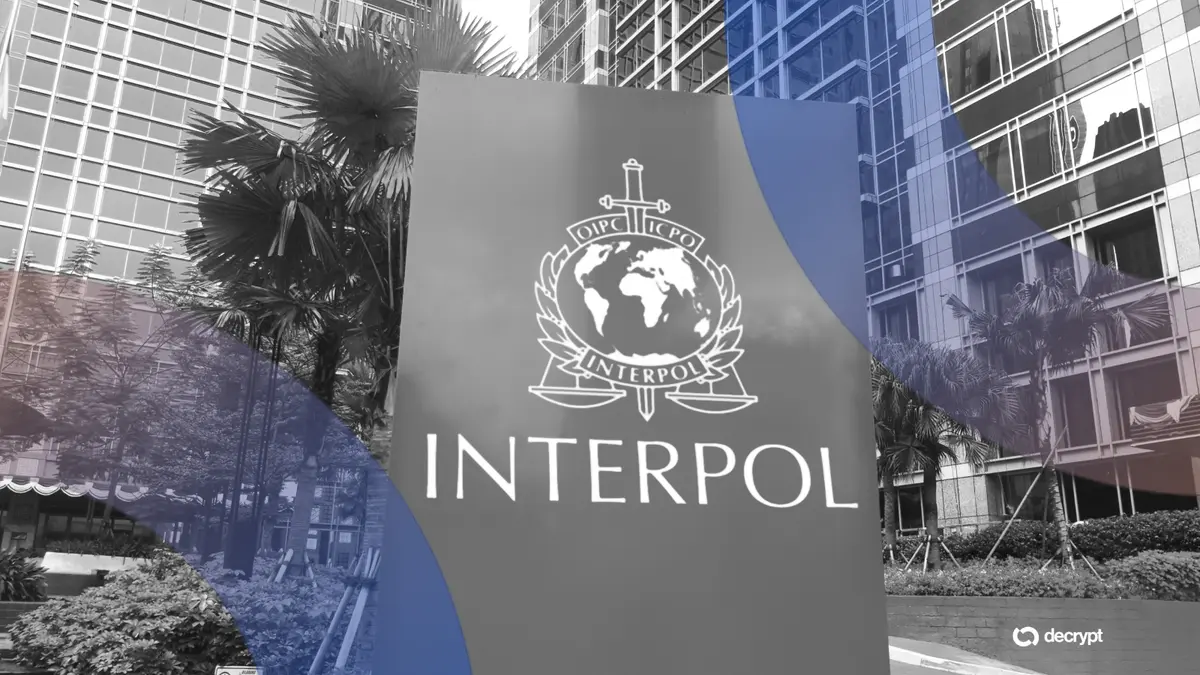
In Vietnam, the blockchain security firm CertiK conducted a training session for law enforcement officials from numerous nations across Asia and the South Pacific, demonstrating how to track and subsequently freeze digital assets that have been stolen.
During the third INTERPOL Asia and South Pacific Working Group Meeting on Cybercrime held in Hanoi, CertiK dedicated time in late October to instructing police personnel on methods for following cryptocurrency across the blockchain and halting its movement before it vanishes. This year's cryptocurrency thefts have been attributed to various issues, including supply-chain attacks, phishing schemes, and compromised private keys, resulting in losses amounting to billions. According to CertiK, the INTERPOL gathering took place between October 27 and October 30, 2026, and it was jointly organized with the Ministry of Public Security of Vietnam. More than 80 attendees from over 43 different countries participated in the four-day event.
The training was a collaborative effort, as CertiK did not conduct the session in isolation; stablecoin issuer Tether, the recovery company Recoveris, and the South Korean exchange Upbit participated alongside it to deliver the education on crypto investigation. The material presented reportedly encompassed advanced analysis of on-chain data and sophisticated tracing methods, alongside a focus on securing asset freezes, which represents the crucial stage where investigative findings translate into tangible relief for victims. It is noteworthy that the instruction did not focus on any particular digital tokens or specific projects, but rather emphasized developing a broad investigative capability.
The primary causes for cryptocurrency losses during the first three quarters of 2026 were three recurring issues: supply-chain attacks, phishing endeavors, and compromised private keys. Furthermore, figures for October were reportedly even higher, following a significant incident involving an exchange. Investigators benefit from the inherent characteristic of blockchains, which maintain permanent, publicly accessible records, meaning that stolen funds leave a discernible trail that can, theoretically, be followed.
This specific workshop in Hanoi was not an isolated occurrence; CertiK stated that the training aligns with a commitment it made in March 2026 under the auspices of the United Nations Anti-Fraud Cooperation Framework. Through that commitment, the organization pledged to furnish forensic support and threat intelligence to various bodies, including the United Nations Office on Drugs and Crime (UNODC) and INTERPOL. The core objective of this assistance is to provide technical aid for crimes occurring in the Web3 space across international borders.
CertiK also possesses a history of collaboration with law enforcement agencies, utilizing its Skynet platform which offers real-time monitoring capabilities that can assist in asset recovery operations. Vietnam, the host nation, seems to be strongly adopting this same perspective. A few weeks subsequent to the INTERPOL meeting, on November 13, 2026, over 27,000 police officers within Vietnam received instruction in crypto tracing skills.
For those involved in crypto investment and usage, the most immediate consequence relates to the probability of recovery. When investigators in more regions are better equipped, the timeframe available to perpetrators to move and liquidate stolen assets can be reduced. The involvement of the partner organizations is also significant in this context. Since Tether manages one of the most widely utilized stablecoins, and Upbit functions as a major exchange, the process of transferring from identifying funds to effectively stopping them becomes more streamlined when the bodies capable of freezing assets are present in the same training environment as the pursuing police. Given that the majority of this year's losses are connected to vulnerabilities in supply chains, phishing, and key compromises, maintaining operational security is increasingly viewed not as a mere administrative function, but as a fundamental element of due diligence.
Why it matters
This increased capacity for law enforcement to track digital assets could shorten the window attackers have to liquidate stolen funds. The involvement of entities like Tether and Upbit suggests a smoother operational handoff between tracing and asset freezing.
Earlier coverage
Reported by Decrypt and Crypto Briefing.