regulation ·
Why Prediction Markets Got the Brazilian Election So Wrong
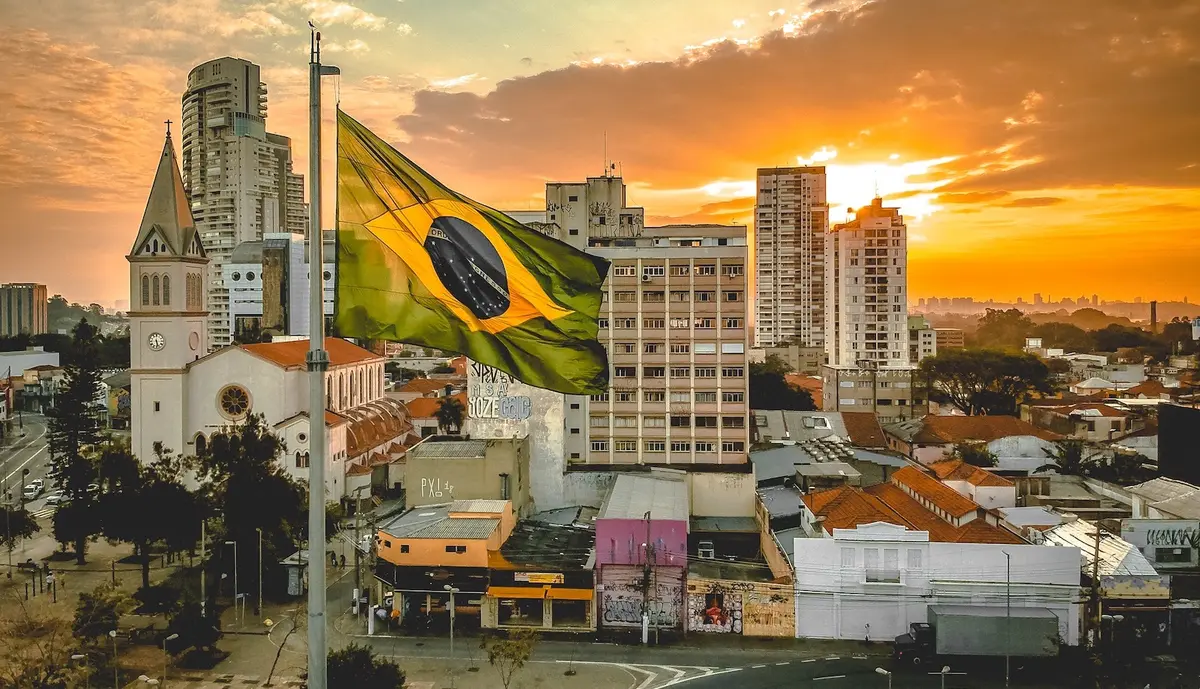
Experts suggest Brazil's prohibition on prediction markets placed the odds in the hands of traders lacking election knowledge.
Polymarket priced Luiz Inácio Lula da Silva at approximately a 20% likelihood of victory before the Brazilian presidential election on Sunday, despite him ultimately winning.
One whale attributed the elevated odds for Bolsonaro to retail traders, while other experts cited Brazil's prediction market ban.
Luiz Inácio Lula da Silva, known as Lula, secured the victory over right-wing contender Flávio Bolsonaro in the election.
Bolsonaro had led after the initial voting period in October, but since he lacked a majority, a second round was required, which Lula won with a majority to serve his fourth term.
Before election day, Polymarket indicated Lula had around a 20% chance of winning, with Bolsonaro at 80%.
A Polymarket whale, FhantomBets, noted that the market was slow to adjust odds, stating, "Sharps [a term for professional, high-stakes predictors] knew the market was mispriced, probably closer to 30-40% on [event] day. Mispricing was most evident during live trading, Lula was nearly a lock by 6:15 pm ET when Lula ‘Yes’ was 60c."
FhantomBets further claimed, "Retail traders were so against Lula that you could get unlimited size at 60-80c when Lula had [essentially] already won."
Luke Nolan, senior researcher at CoinShares, countered this view, asserting that Polymarket results mirrored the release of polling data throughout the night.
Nolan suggested that Brazil's ban on prediction markets is likely a more significant factor in the severe mispricing.
Einar Knobel, CEO and co-founder of TxODDS, agreed, noting, "The price was set mostly by people outside the country," trading based on the first-round result and poll headlines.
Brazil enacted a comprehensive ban on prediction market platforms in April due to concerns regarding investor protection and gambling addiction.
Knobel added that market liquidity was low, representing only 4.5% of the volume seen during the 2024 U.S. presidential election.
Nolan believes predictors overemphasized Bolsonaro's first-round showing and underestimated the second-round voter turnout increase.
He concluded, "Ultimately, something that has an 80% chance of happening does not happen 20% of the time."
Reported by Decrypt.