Regulation · · 2 outlets
22% VAT on USDT purchases when Moscow Exchange opens crypto trading December 1 2026
The inclusion of USDT on the Moscow Exchange will subject buyers to a 22% value added tax because Russia's tax legislation lacks a specific exemption for what it defines as foreign digital…
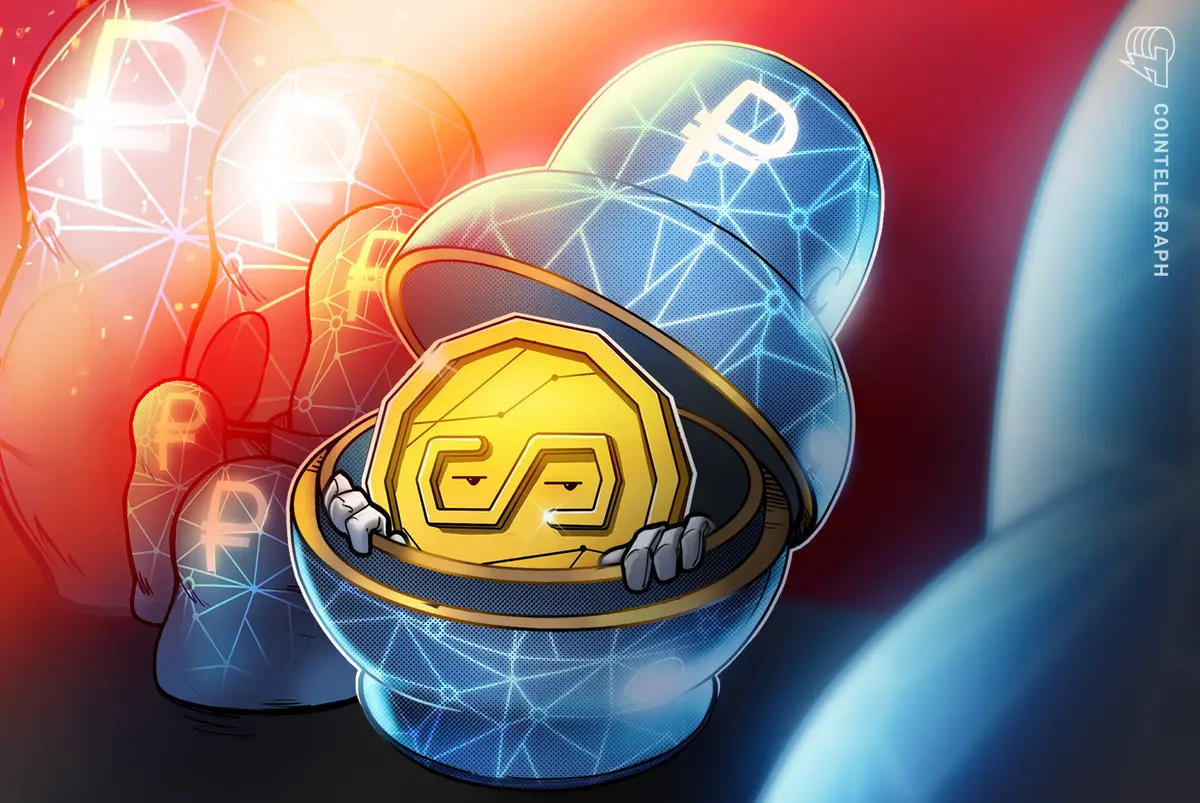
The inclusion of USDT on the Moscow Exchange will subject buyers to a 22% value added tax because Russia's tax legislation lacks a specific exemption for what it defines as foreign digital instruments.
When the Moscow Exchange initiates organized trading of digital assets on December 1, 2026, USDT purchasers will be required to pay an additional 22% VAT on the amount of the transaction, according to the exchange's clearinghouse. This requirement stems from a legal matter rather than a political stance. Specifically, Russia's tax code does not provide an explicit waiver for items classified as foreign digital instruments, which is the designation applied to USDT. The basis for this levy is found in Articles 153 and 164 of the Tax Code; the former dictates how the tax base is calculated, while the latter establishes the applicable rates. Together, these articles leave very little room for ambiguity.
The practical implication of this is straightforward to calculate: if a buyer desires USDT equivalent to 100,000 rubles, the total amount they must provide, with the 22% levy added to the trade price, will be 122,000 rubles. This tax burden is placed upon the buyers. Traders who frequently buy and sell USDT will encounter this levy every time they acquire it, which significantly increases the cost of actively trading the token compared to simply holding it.
USDT is not the sole asset available; the Bank of Russia granted approval for organized trading of USDT, Bitcoin, and ether as of November 22, 2026, providing the exchange with an initial selection of highly recognized digital assets. All transactions will operate through the established stock market infrastructure and clear via the National Clearing Centre, known as NCC. Settlement is anticipated to occur either on the same day or the subsequent day.
Access to the platform will be strictly limited for individual participants. Non-qualified investors will be restricted to purchasing a maximum of 300,000 rubles (approximately $3,700) annually per broker, and only after successfully completing a suitability assessment.
The Moscow Exchange and NCC have been subject to US sanctions since June 2024. This regulated domestic platform offers Russian investors a sanctioned-at-home, central-bank-approved pathway into cryptocurrency, encompassing Bitcoin, ether, and a dollar-pegged stablecoin. Previously, such activities largely took place outside of formal market structures. Bringing these trades onto a supervised exchange subjects them to state oversight, incorporating built-in mechanisms for clearing, suitability verification, and tax collection.
The selection of USDT is noteworthy in itself, as Tether is a token pegged to the US dollar, and its presence on a venue that is itself under US sanctions presents a peculiar combination. The current setup keeps the asset within a domestic clearing system instead of depending on overseas intermediaries, although the research points out that sanctions might complicate the channels for both foreign exchange and crypto trading.
The VAT determination effectively differentiates the assets on the new platform based on their tax treatment: USDT, being classified as a foreign digital instrument, incurs the 22% surcharge upon purchase. For retail investors, the financial impact is immediate; given the 300,000-ruble yearly limit per broker and the 22% charge on USDT purchases, a substantial portion of any stablecoin allocation will go to the tax authorities rather than into the investment position. This levy exists because the tax code lacks an explicit exemption for foreign digital instruments, not due to a specific tax targeting crypto assets. Although such regulatory gaps could potentially be addressed, nothing in the current framework suggests that a modification is forthcoming.
Why it matters
This VAT significantly increases the cost of acquiring USDT for Russian buyers, making active trading more expensive. The introduction of this regulated venue offers a sanctioned-at-home route into crypto, but the tax structure heavily influences asset choice.
Earlier coverage
Reported by CoinTelegraph and Crypto Briefing.